
The concept of “third places” was popularized by sociologist Ray Oldenburg in his 1989 book “The Great Good Place”. Oldenburg used the term to describe social environments that are neither home (the first place) nor work (the second place). He argued that these third places, such as coffee shops, parks, and community centers, are crucial for fostering community life and social interaction. Oldenburg’s work highlighted the importance of these informal, public spaces in creating a sense of belonging and enhancing civic engagement.
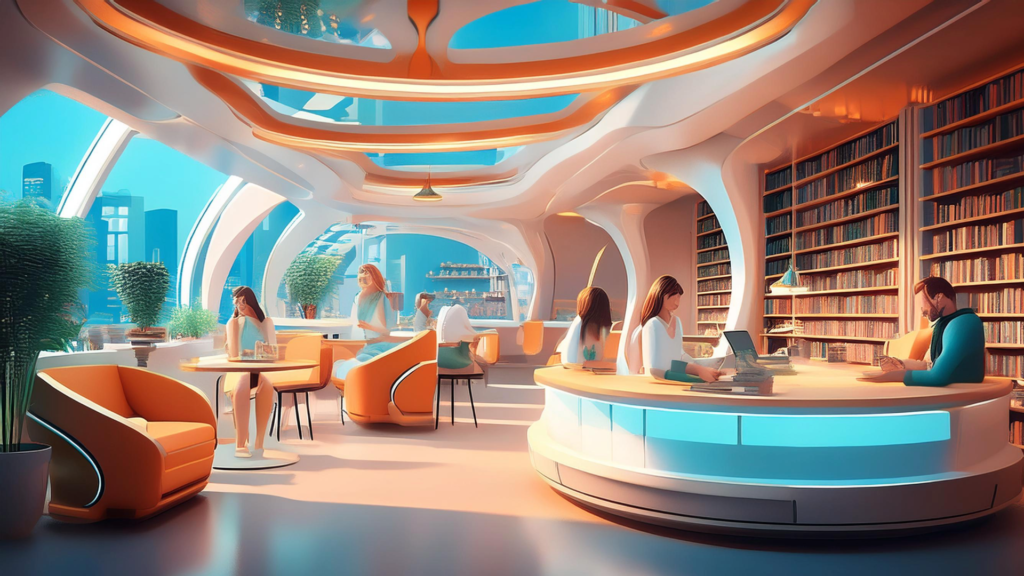
Understanding Third Places
Third places serve as vital hubs for social interaction. Unlike the home, which is primarily a private space, and the workplace, which is structured and goal-oriented, third places offer a neutral ground where people from various backgrounds can come together. They are characterized by some key attributes:
1] Inclusivity: Third places are open and accessible to everyone, promoting a sense of equality and belonging. They are open places people can move freely to and from.
2] Casual Atmosphere: They provide a relaxed environment where interactions are informal and unstructured. They encourage freedom, positive interaction, and discovery.
3] Community Building: These spaces foster social bonds and contribute to the development of a strong community fabric. They expose different groups of people to each other in a natural and peaceful way.
4] Social Capital: Regular interaction in third places builds social networks and enhances civic engagement. While third places may have a cost factor like shops or cafes, the primary attraction is to discover a new parts of society, life experiences, or knowledge.
It is important to create vibrant and imaginative third places for people to learn to relate to each other in ways they would not otherwise have access to in their daily routine.
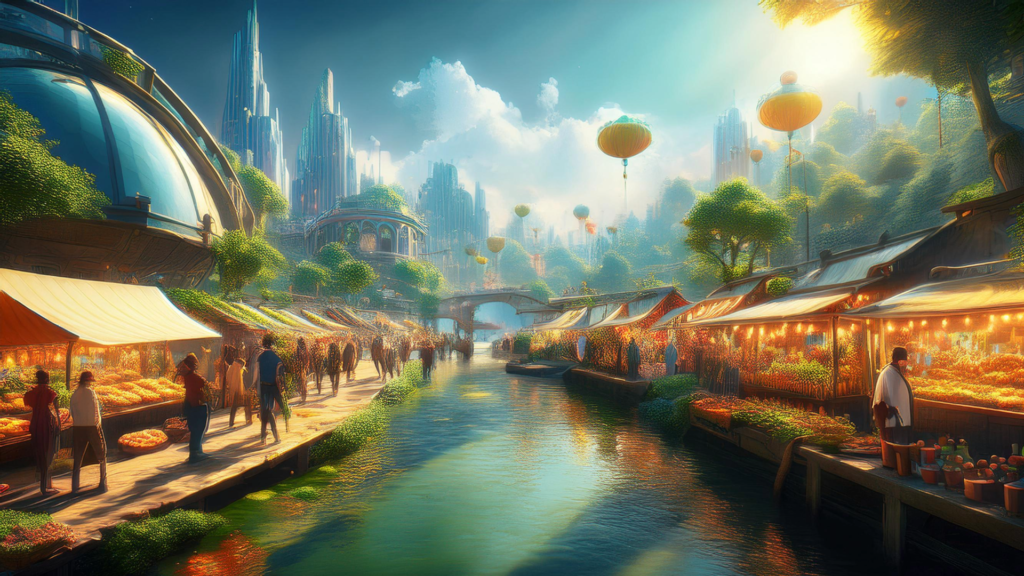
Third Places in Small Populations
Smaller populations can have a lack of options for third places. Areas with smaller populations also often have unique characteristics that make them ideal for cultivating them. Here’s how they can create and sustain these spaces for smaller populations:
1] Utilize Existing Spaces: Small populations can transform underutilized spaces, such as town halls, old schools, or vacant lots, into third places. For example, a town hall could host regular community gatherings or workshops, turning it into a focal point for social interaction.
2] Support Local Businesses: Local coffee shops, diners, and bookstores can serve as third places if they create welcoming environments. Encouraging local businesses to offer community events, such as book readings or open mic nights, can enhance their role as social hubs.
3] Develop Community Centers: Establishing or revitalizing community centers that offer a range of activities and services—like fitness classes, art workshops, or social clubs—can help create a central space for residents to connect and engage.
4] Create Public Spaces: Designing parks, plazas, or green spaces with seating, playgrounds, and communal areas encourages casual interaction among residents. Well-designed public spaces that incorporate features like walking trails or community gardens can enhance the appeal and functionality of these areas.
5] Encourage Volunteerism: Organizing volunteer activities or community service projects can foster connections among residents and create informal meeting spaces in the process.
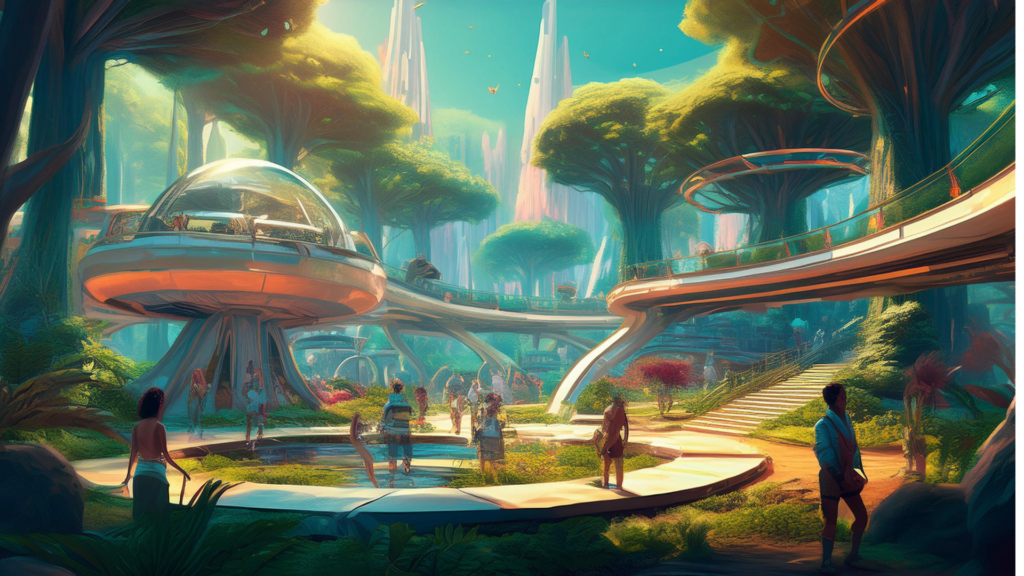
Third Places in Large Urban Environments
Urban areas, with their dense populations and diverse communities, also benefit greatly from third places. Third places are a bit more native to cities, but the challenge often lies in making third places accessible and inclusive amidst the fast-paced lifestyle and high cost of space. Here’s how urban environments can enhance their third places:
1] Revitalize Public Spaces: Transforming underused urban areas, such as vacant lots or old buildings, into vibrant public spaces can provide much-needed third places. Projects like parklets (small parks on parking spaces) or pop-up markets can activate these areas and encourage social interaction.
2] Invest in Community Facilities: Urban areas can benefit from well-designed community centers, libraries, and recreation centers that offer a variety of programs and activities. These facilities should be strategically located to be accessible to diverse neighborhoods.
3] Promote Mixed-Use Development: Encouraging the development of mixed-use buildings that combine residential, commercial, and recreational spaces can create vibrant, walkable environments where people naturally gather. Streets with cafes, shops, and parks foster spontaneous social interactions.
4] Enhance Public Transportation: Ensuring that public transportation connects various third places makes it easier for residents to access them. Efficient and affordable transit options can help integrate third places into the daily lives of city dwellers.
5] Encourage Community Engagement: Urban areas can benefit from initiatives that involve residents in the planning and maintenance of third places. Community input in designing public spaces and programming can ensure that these places meet the needs and preferences of local residents.

Both small areas and large urban environments face challenges in creating and maintaining third places. In small populations, challenges may include limited resources or a lack of variety in existing spaces. In urban environments, the high cost of real estate and the fast pace of city life can be barriers.
Third places are integral to creating vibrant, connected communities. As communities continue to evolve, the role of third places in enhancing quality of life and fostering social bonds remains crucial.