
When we think about exercise, we often envision running on a treadmill, lifting weights, or participating in a fitness class. However, there’s another form of exercise that often goes unrecognized: cleaning and deep cleaning your space. This often-overlooked activity can offer significant physical benefits and help challenge traditional notions of what exercise can be. Cleaning as exercise can empower people to meet their wellness goals because you don’t have to plan time to go to a gym or perform a routine, you just have to mix exercise and cleaning in the right ways.
Here’s an in-depth look at how cleaning as exercise, and how shifting our perspective on exercise can improve both our health and our daily lives.

5 Sample Cleaning Exercises
Vacuuming can be a cardiovascular workout. It engages your arms, shoulders, and core as you push and pull the vacuum, and can elevate your heart rate. So if you get up for 15 minutes and vacuum you knock out two things in one 15 minute session.
Mopping and Sweeping both involve full-body movements, including squatting, lunging, and twisting, which work your legs, core, and upper body. The repetitive motion also boosts cardiovascular fitness. Sweep and mop more often and you’ll have a cleaner space and mind. Get some of those exercise endorphins!
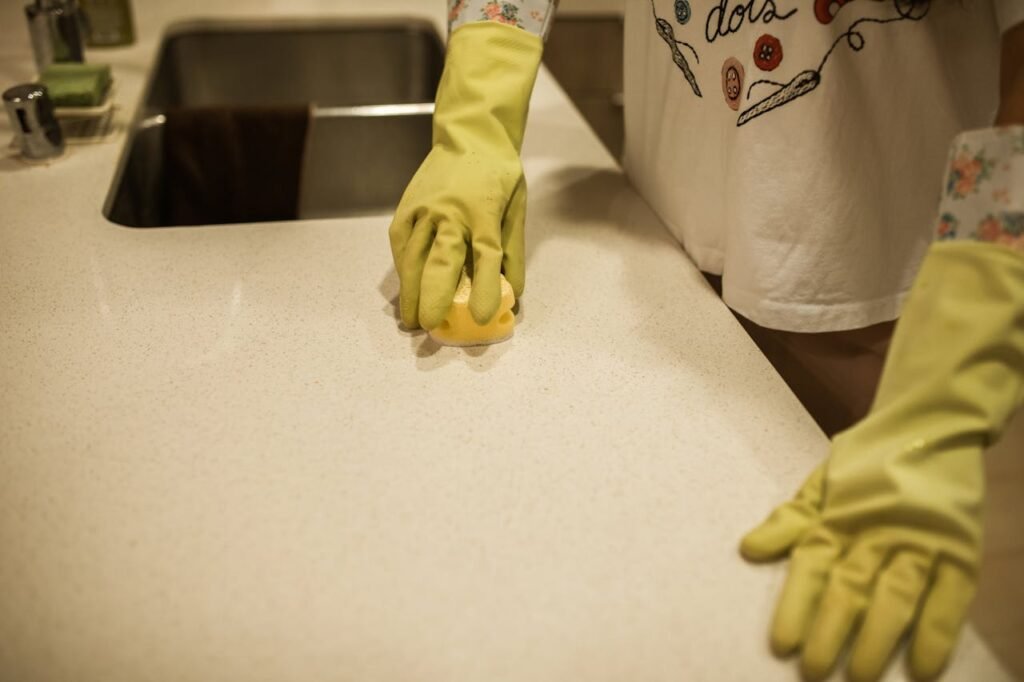
Scrubbing surfaces like floors or tiles requires significant arm strength and endurance. The motion engages your shoulders, arms, and core, providing a good workout and improving muscle tone. Scrubbing helps increase your functional fitness by resembling a modification of the plank exercise for example.
Washing Windows involves reaching, stretching, and balancing. These actions improve flexibility, core strength, and overall muscle engagement.
Dusting high shelves, blinds, and furniture requires reaching and stretching, which can enhance flexibility and improve upper body strength. The repetitive motion can also contribute to a light cardio workout.
Cleaning as exercise cuts down on time spent on wellness goals by combining them. By incorporating these cleaning tasks into your routine, you can effectively combine household chores with physical exercise, contributing to both a cleaner home and better overall fitness.

The Physical Benefits of Cleaning as Exercise
Cleaning and deep cleaning tasks involve various physical activities that can contribute to overall fitness. These activities often require movement, strength, and endurance, which can have similar effects to traditional forms of exercise.
Cardiovascular Benefits
Activities such as vacuuming, sweeping, and mopping can elevate your heart rate and improve cardiovascular health. When you engage in these tasks with vigor, you’re performing aerobic exercises that enhance heart and lung function. For example, vacuuming for 30 minutes can burn approximately 130-150 calories, similar to a brisk walk. Cleaning as exercise can help your cardio fitness similar to walking or more if you adjust the routine.
Strength Training
Many cleaning tasks involve lifting, bending, and reaching, which can help build and tone muscles. Scrubbing floors, lifting heavy cleaning supplies, and moving furniture require strength and engage various muscle groups. For instance, scrubbing the bathroom can act as a form of resistance training, working your arms, shoulders, and core.
Flexibility and Balance
Cleaning tasks often involve stretching and bending, which can enhance flexibility and balance. Activities like reaching high shelves or bending over to clean baseboards stretch and lengthen muscles, promoting greater flexibility. Additionally, balancing on one foot while cleaning can help improve stability and coordination. Cleaning as exercise helps with functional fitness meaning over time it will be easier to bend and get up off the floor.
Calorie Burn and Weight Management
Regular cleaning can contribute to calorie burning and weight management. An hour of moderate cleaning activity can burn between 200-300 calories, depending on the intensity. Although not a replacement for structured exercise, incorporating cleaning into your routine can help maintain an active lifestyle and support weight management.
Mental Health Benefits
Physical activity, including cleaning, can positively impact mental health by reducing stress and improving mood. Engaging in cleaning tasks can be a form of mindfulness or meditation, providing a sense of accomplishment and control. The act of organizing and decluttering can also create a calming environment, enhancing overall well-being. Cleaning as exercise helps you see how much time you can gain by streaming your daily wellness goals and keeping a neat environment.
How to Maximize the Exercise Benefits of Cleaning
To fully leverage cleaning as a form of exercise, consider these strategies:
Increase Intensity
Treat cleaning tasks like a workout by increasing the intensity. For example, perform vigorous scrubbing or vacuuming at a faster pace to elevate your heart rate. Incorporate more strenuous activities, such as moving furniture or tackling hard-to-reach areas, to engage different muscle groups.
Incorporate Full-Body Movements
Focus on tasks that engage multiple muscle groups. Instead of just focusing on one area, incorporate full-body movements. For example, while cleaning windows, use your legs and core to support your posture and movement. During deep cleaning, perform tasks that require squatting, lunging, or twisting to work various muscles.
Set Goals and Track Progress
Set specific goals for your cleaning routine, such as cleaning a certain number of rooms or achieving a particular level of intensity. Track your progress to stay motivated and recognize the exercise benefits. You can use fitness trackers or apps to monitor the calories burned and time spent cleaning.
Mix in Strength and Flexibility Exercises
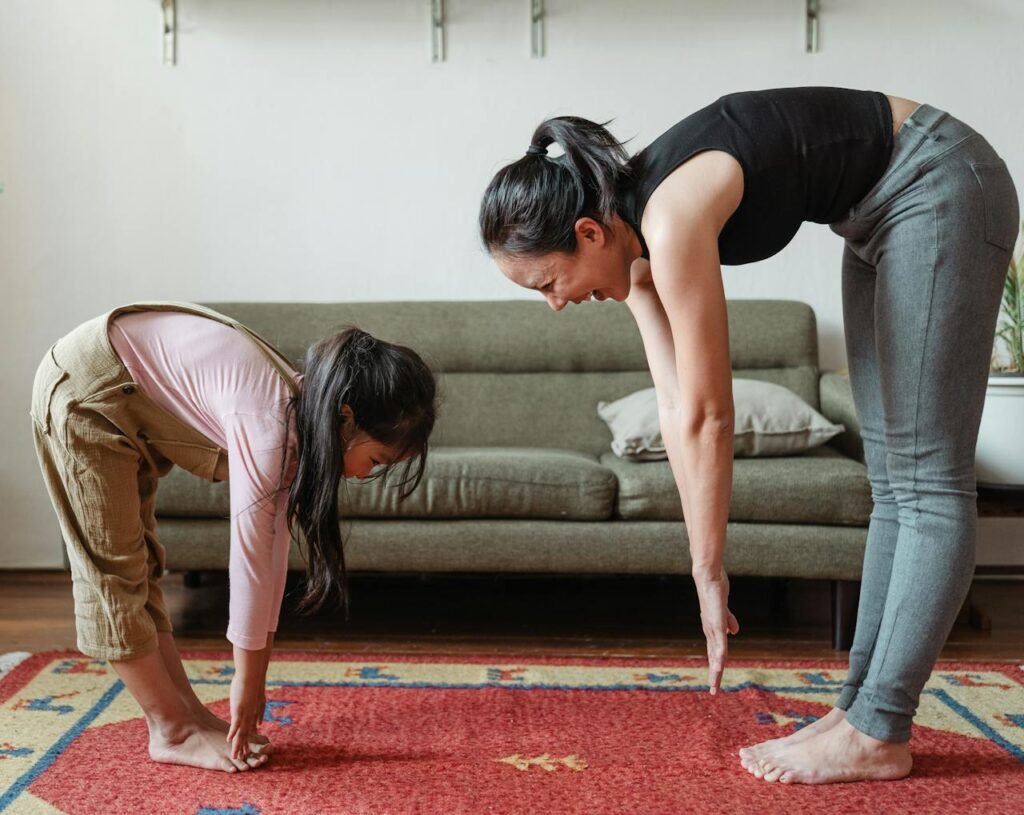
Combine cleaning with targeted strength and flexibility exercises. For example, incorporate bodyweight exercises like squats, lunges, or push-ups during breaks. Stretch your muscles before and after cleaning to enhance flexibility and prevent injury.
Stay Active Throughout the Day
Incorporate cleaning tasks into your daily routine to maintain an active lifestyle. Instead of waiting for a designated cleaning time, perform small cleaning tasks throughout the day. This approach keeps you moving and prevents prolonged periods of inactivity.

Changing the Perception of Exercise
To fully appreciate cleaning and other non-traditional activities as forms of exercise, it’s essential to broaden our definition of what constitutes exercise. Here’s how to change the perception of exercise and embrace a more inclusive view:
Redefine Exercise
Exercise doesn’t have to be limited to gym workouts or structured fitness routines. Redefine exercise to include any physical activity that increases heart rate, strengthens muscles, or enhances flexibility. By expanding this definition, activities like gardening, walking, and cleaning can be recognized as valuable forms of exercise.
Acknowledge Everyday Movement
Recognize that everyday movements contribute to overall physical health. Activities such as climbing stairs, carrying groceries, or gardening involve physical effort and can be considered part of an active lifestyle. Embrace these activities as integral to maintaining health and fitness.
Focus on Functional Fitness
Consider functional fitness, which emphasizes movements that improve daily life tasks and overall well-being. Cleaning and other household activities enhance functional fitness by supporting mobility, strength, and flexibility necessary for daily living. Prioritize activities that contribute to practical, everyday functionality.
Celebrate Non-Traditional Activities
Celebrate and promote non-traditional forms of exercise by highlighting their benefits and integrating them into fitness routines. Share your experiences and successes with others to shift the focus from conventional exercise to a more diverse range of activities.
Incorporate Movement into Daily Routines
Find ways to incorporate more movement into your daily routines, whether through cleaning, walking, or other activities. By making physical activity a natural part of daily life, you can improve overall fitness and well-being without needing to adhere to traditional exercise formats.
Cleaning and deep cleaning your space can provide physical benefits and challenge traditional notions of what constitutes exercise. By recognizing the cardiovascular, strength, flexibility, and mental health benefits of these activities, you can appreciate them as valuable components of an active lifestyle. Redefining exercise to include everyday movements and non-traditional activities can lead to a more inclusive and holistic approach to fitness. Embrace cleaning as a form of exercise and find the dual benefits of a clean space and improved physical fitness.
Our opinions are our own. Please make sure that any exercise you do is right for your unique situation.