
Why do humans love deep fried food?
Humans are drawn to fried food for several reasons, many of which are rooted in both biology and culture:
1. Flavor and Texture: Frying enhances the flavor of food by creating a crispy, golden-brown exterior that contrasts with a tender, often juicy interior. This combination of textures and flavors is highly appealing to the palate.
2. Maillard Reaction: The Maillard reaction, which occurs during frying, is a chemical process that creates complex flavors and aromas as proteins and sugars in the food interact. This reaction contributes to the rich, savory taste of fried foods.
3. Fat Content: Fat is a key flavor carrier and enhances the overall taste of food. Frying adds fat to the food, making it more satisfying and flavorful. Humans are naturally drawn to fatty foods due to their high energy content and palatability.
4. Cultural Influence: Fried foods are prevalent in many cultures and cuisines around the world. Traditional recipes and cultural practices often include fried dishes, making them familiar and comforting for many people.
5. Sensory Appeal: The smell and sound of frying can be enticing. The sizzle of food in hot oil and the aroma of cooking fats are sensory cues that signal the presence of delicious, ready-to-eat food.
6. Reward Mechanism: Consuming deep fried foods can trigger the brain’s reward system. The combination of fat, salt, and sugar in many fried foods can release dopamine, a neurotransmitter associated with pleasure and reward, leading to cravings.
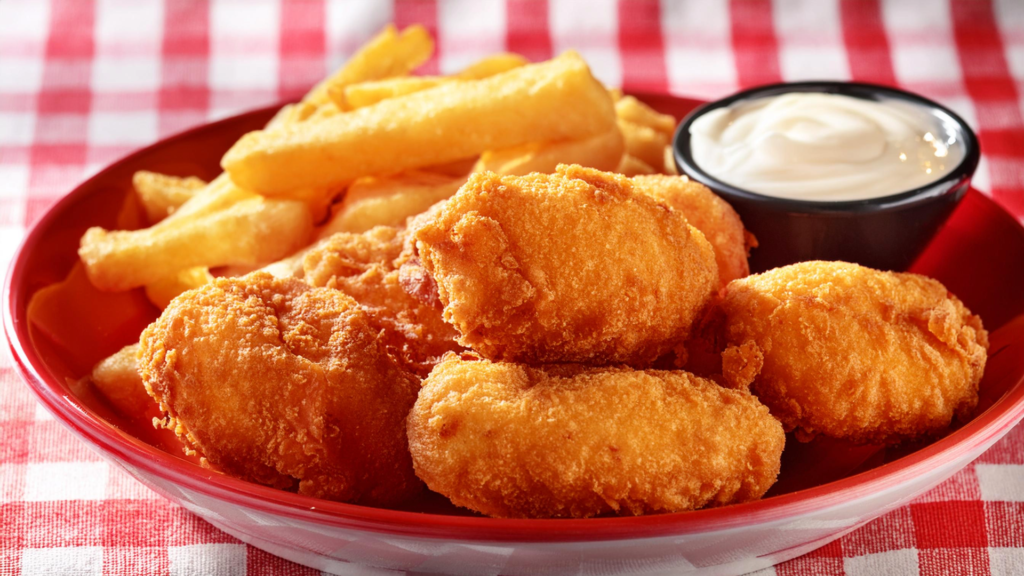
Overall, the sensory, cultural, and biological factors combine to make deep fried foods highly appealing to many people.
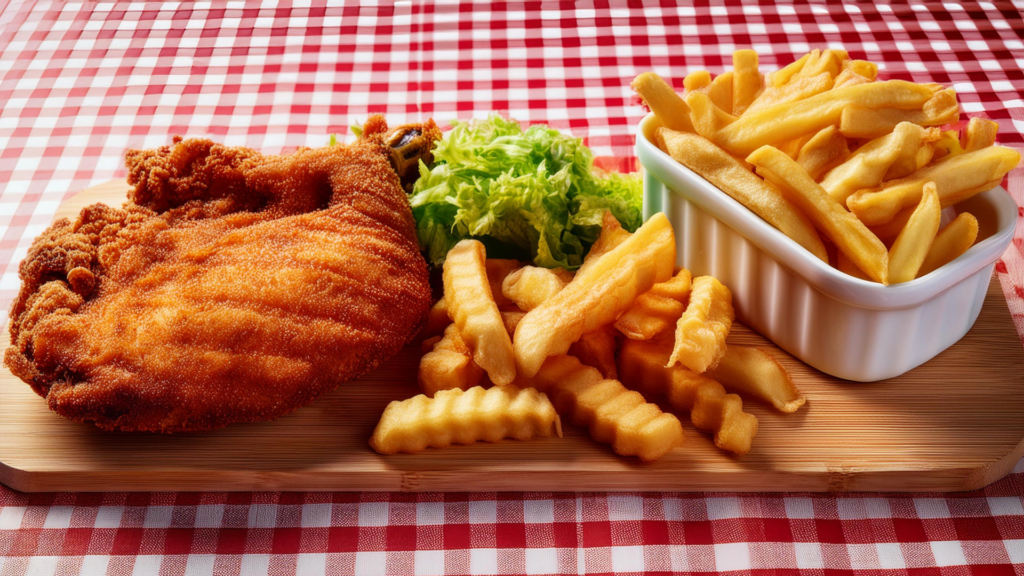
Substitutions for Frying
#3
Baking or broiling seems to get the food cooked, but it can really fail at add crispiness before nuking your dinner. Even you buy the same potatoes from the market for example, different potatoes can be at varied stages of ripeness. This can cause frequent errors with the baking substitution method.
If done correctly, baking can create fries or crunchy batter on proteins, but it’s always going to have a larger margin of error. A legitimate substitution should be consistent with a lower margin for error (aka your fries are NOT going to come out so singed a dragon would be happy about it, while some other suspicious magic causes them to somehow be part mushy and part uncooked inside.)
#2
Pan searing instead of frying can add a nice sense of crispiness. It can also create the delicious “blackened” or “seared” effect used in cuisines around the world. Pan searing takes practice and it also comes with a larger margin of error. You may also be tempted to add more oil or butter to the pan and give it a little tiny fry action anyways.
#1
After testing alternatives, the best substitution for a deep fry technique in our opinion has got to be the air frier by far.
Air frying is a whole new level up in the game for those who have not tried one.
Air friers have a low margin of error and can be used creatively as well. Sometimes the texture from an air frier can even be better than the traditional deep frying method.
When cooking with an air frier you can also opt to create health conscious batters. Common batters used in air frying are similar to those used in deep frying with grease. A batter base typically constitutes of eggs, flour, a crunchy ingredient (bread crumbs or corn flakes), and spices.
Despite air friers cooking very similar to the deep fry equipment that uses grease, there are some differences. For example when cooking French Fries, the potatoes may need to be cut thinner to have the desired crispy texture.
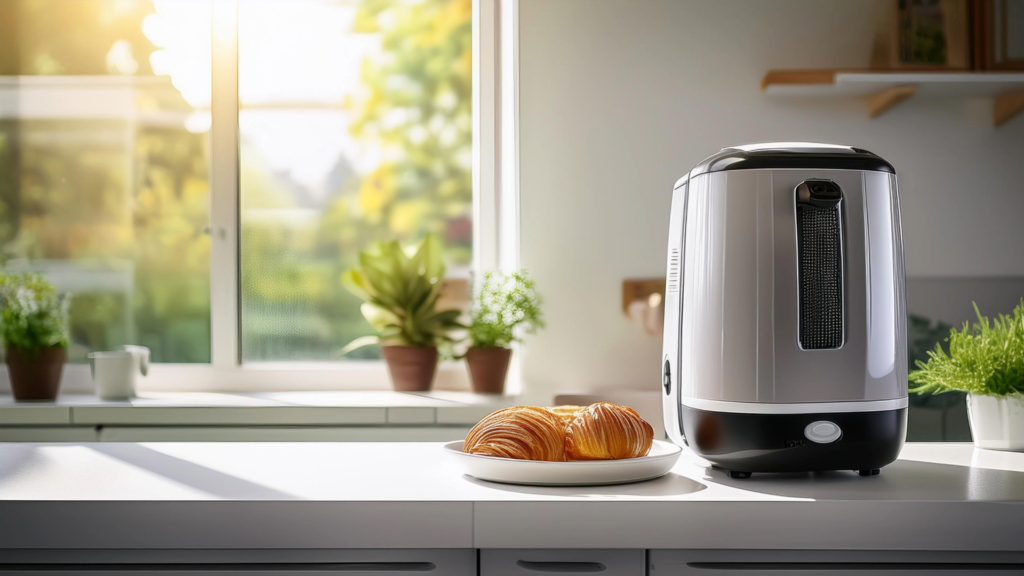
What are your favorite fried foods?
How do you substitute for food that is deep fried?
Have you ever tried an air frier?…. (bc you should)