
Mixing design aesthetics isn’t something that’s going to be in a textbook, however it’s what people actually do all the time. Combining maximalism and minimalism might seem like an impossible task, as these two design and lifestyle philosophies appear to be opposites. Maximalism celebrates abundance and eclecticism, while minimalism champions simplicity and restraint. However, by thoughtfully integrating elements of both, you can create a harmonious and dynamic living environment that captures the best of both worlds.
Let’s explore how to balance maximalism and minimalism in your home and lifestyle.
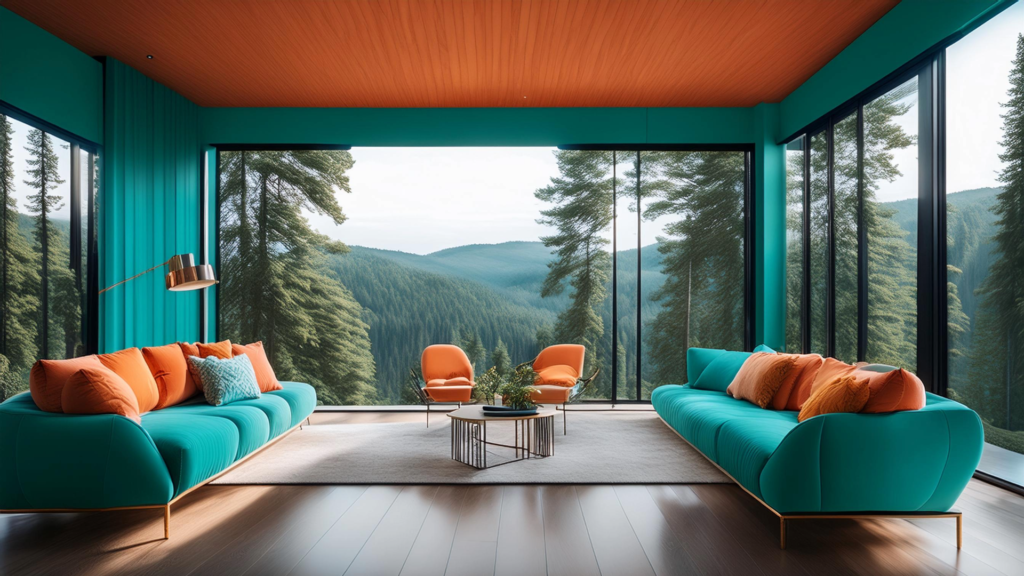
Understanding Maximalism and Minimalism
Maximalism is characterized by:
Bold colors
Rich textures and diverse patterns
Eclectic mix of styles and eras
Personalization and display of collections
Minimalism is defined by:
Clean lines and uncluttered spaces
Neutral colors and simplicity
Focus on functionality
Quality over quantity
Mixing design aesthetics from these two approaches involves finding a balance that brings together the vibrant energy of maximalism with the serene simplicity of minimalism in a way that suits you personally.
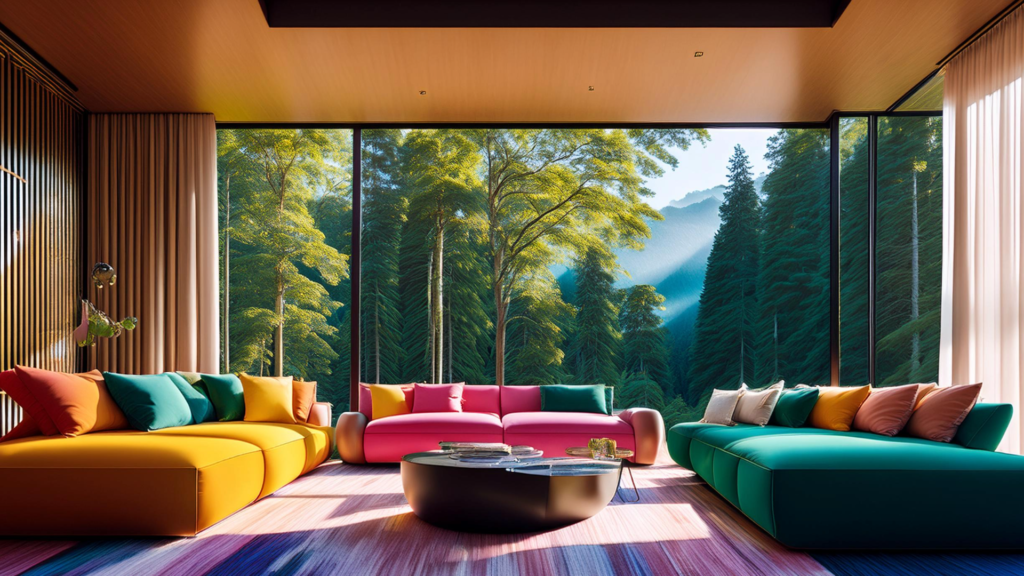
Principles for Mixing Design Aesthetics: Maximalism and Minimalism
1. Focus on Quality and Personal Meaning: Choose items that are both high-quality and meaningful. This aligns with minimalism’s emphasis on quality over quantity while allowing for the personal expression central to maximalism.
2. Curate with Intent: Be intentional about what you display. Limit your collections to pieces that you truly love and that add value to your space, ensuring it doesn’t become cluttered.
3. Balance Boldness with Simplicity: Incorporate bold, maximalist elements in a minimalist framework. For example, a neutral, minimalist room can be accented with a vibrant, patterned rug or a bold piece of artwork.
4. Use a Cohesive Color Palette: Color theory, Select a cohesive color palette that combines the bold hues of maximalism with the muted tones of minimalism. This helps create visual harmony and prevents the space from feeling chaotic.
5. Layer Textures and Patterns Mindfully: Incorporate a mix of textures and patterns in a controlled manner. For instance, a minimalist sofa can be adorned with a few richly textured cushions or a patterned throw.
6. Create Focal Points: Allow certain maximalist elements to stand out as focal points within a minimalist space. This draws attention to your favorite pieces without overwhelming the room.
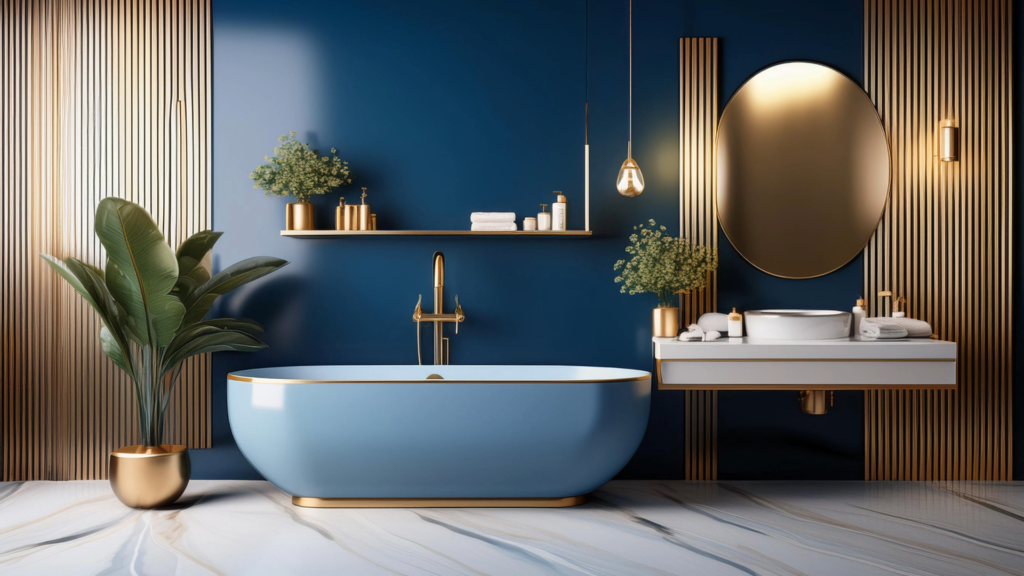
Practical Tips for Harmonizing Maximalism and Minimalism
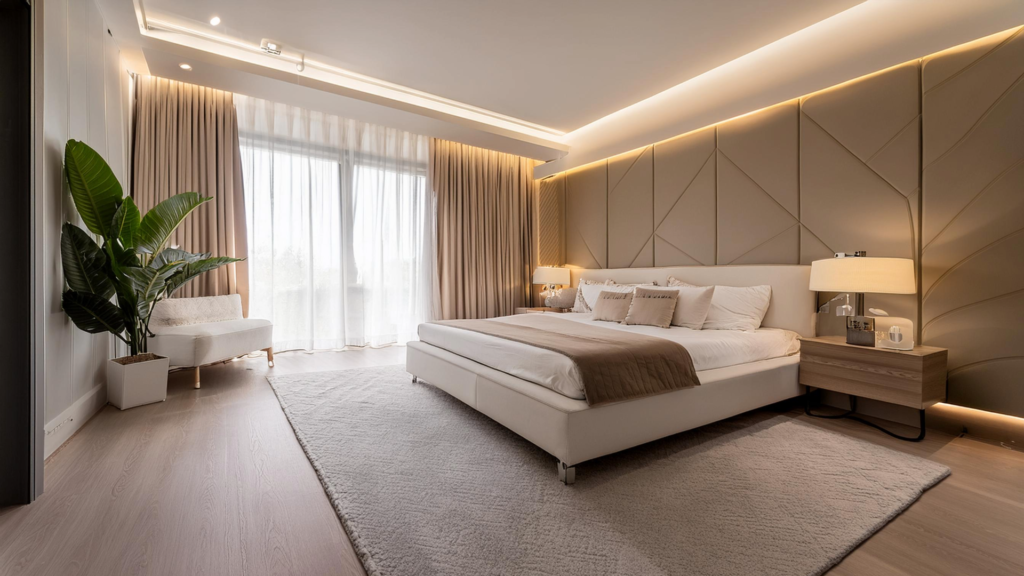
1. Start with a Minimalist Base: Begin with a clean, minimalist foundation—neutral walls, simple furniture, and open spaces. This sets the stage for maximalist accents.
2. Edit and Rotate Collections: Rather than displaying all your collections at once, rotate them periodically. This keeps the space fresh and prevents it from becoming cluttered.
3. Incorporate Multifunctional Furniture: Choose furniture that serves multiple purposes, blending minimalist functionality with maximalist style. For example, a stylish ottoman that doubles as storage.
4. Blend Old and New: Mix modern, minimalist furniture with vintage, maximalist accessories. This creates a dynamic and interesting contrast.
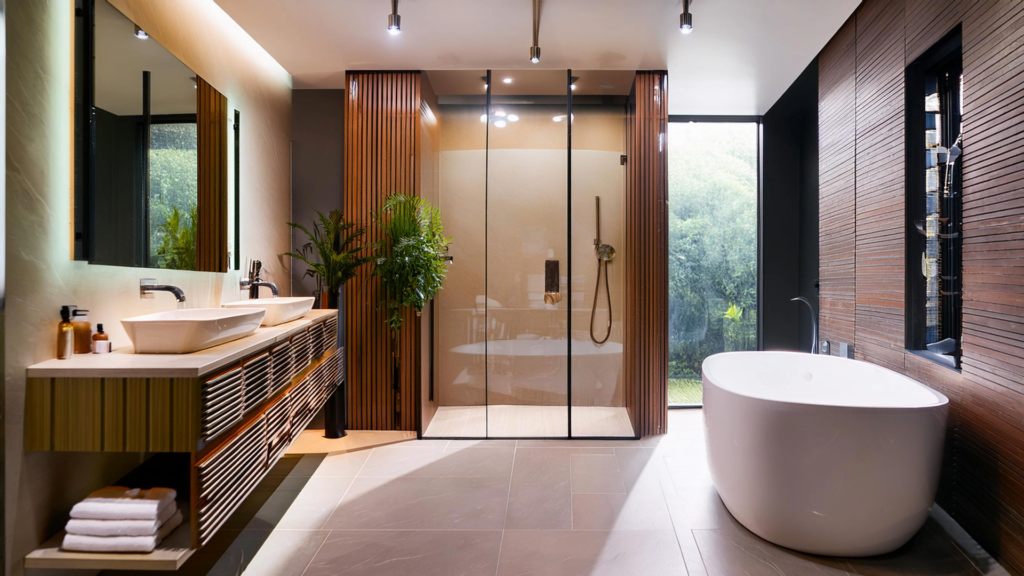
5. Highlight Natural Elements: Use natural materials like wood, stone, and plants to bridge the gap between maximalism and minimalism. These elements add warmth and texture without overwhelming the space.
6. Practice Mindful Display: Arrange your belongings in a way that showcases your maximalist treasures while maintaining minimalist order. Use shelves, cabinets, and wall space to create organized displays.
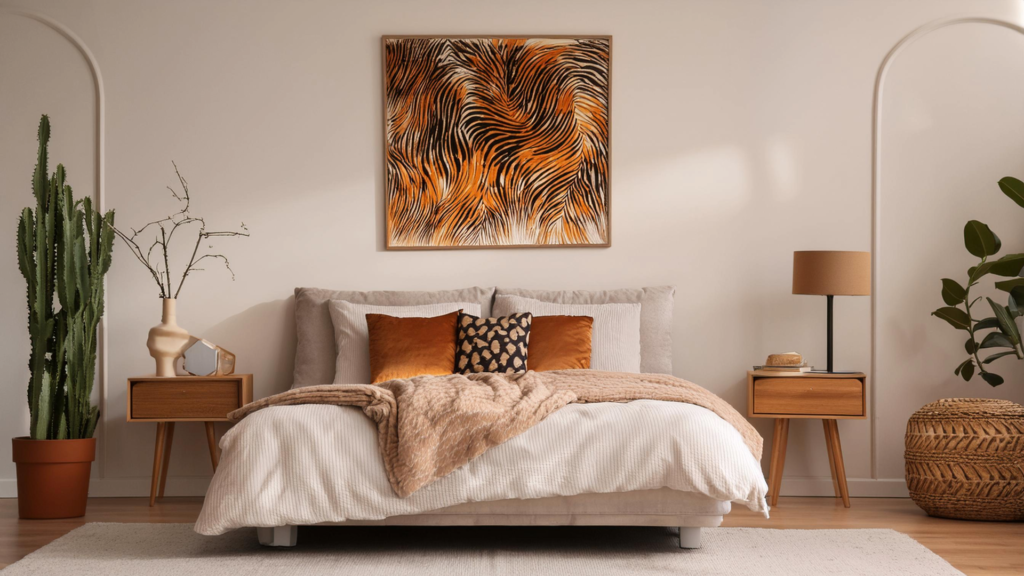
The Benefits of Mixing Design Aesthetics: Maximalism and Minimalism
You can express your personality and interests through curated displays and bold accents without sacrificing the calm and order of a minimalist environment.
The combination of clean lines and bold elements creates a visually stimulating space that remains balanced and cohesive.
A minimalist foundation ensures functionality and simplicity, while maximalist touches add warmth, comfort, and character.
This flexible hybrid aesthetic allows you to adapt your space to changing tastes and needs, adding or removing elements as desired.
Combining maximalism and minimalism is a creative and rewarding endeavor that allows you to enjoy the best of both design philosophies. By focusing on quality, intentionality, and balance, you can create a living space that is both vibrant and serene, expressive and orderly.
Whether you’re drawn to the boldness of maximalism or the simplicity of minimalism, harmonizing these styles can lead to a dynamic and personalized home environment that truly reflects who you are.
Embrace the challenge and discover the beauty of balanced living.
What design aesthetics do you prefer?
What aesthetics would you blend together?
Nice